Mo-Sys VP Pro

Key Features
- Native Unreal Engine Integration for Virtual Production
- Real-Time Compositing, Keying, Synchronisation and Data Recording
- Supports AR, Green Screen and ICVFX Workflows
- Camera and Lens Tracking for Accurate Alignment
- XR Set Extensions Beyond Physical LED Walls
- Automated XR Colour and Geometry Correction
- Multi-Camera LED Production with XR Multi-cam Licensing
Description
Mo-Sys VP Pro – Unreal Engine Virtual Production Software
Bring your creative vision into the virtual world.
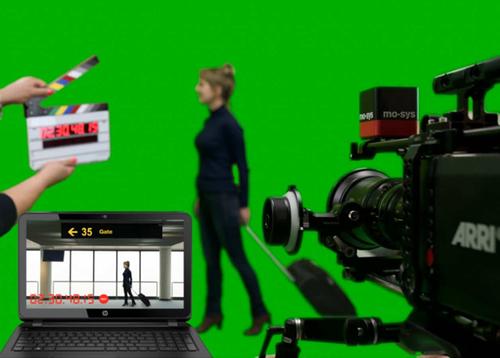
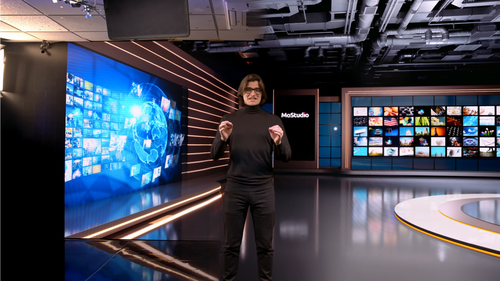
Mo-Sys VP Pro is a comprehensive virtual production software toolkit that integrates directly into native Unreal Engine, bringing real-time compositing, keying, synchronisation and recording into one production environment. Designed for filmmakers, broadcasters and live event teams, it supports augmented reality graphics, green screen production, virtual sets, mixed reality and in-camera visual effects. Using camera and lens tracking data, VP Pro aligns physical footage with digital environments to help create convincing virtual productions.
Creative Freedom Within Unreal Engine
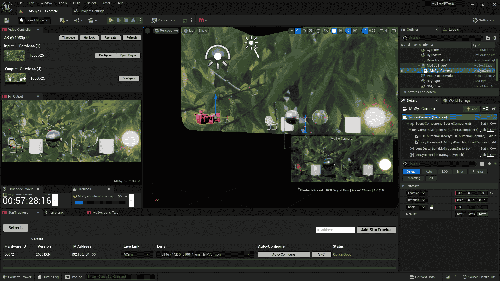
Build your production around the visual possibilities of Unreal Engine. VP Pro combines dedicated operator interfaces with access to the underlying engine, helping teams manage everyday production tasks while retaining flexibility for customised workflows. Whether creating a virtual studio or combining presenters with digital scenery, artists and operators can work within a connected environment. Integration with Mo-Sys tracking and robotic systems links camera movement to the virtual scene.
Powerful Tools for Broadcast Production
For broadcast teams, VP Pro brings together tools for multi-camera production, real-time compositing, augmented reality, green screen workflows and LED set extensions. Its broadcast-focused redesign simplifies operation and reduces workflow complexity, allowing teams to concentrate on the visual presentation.
Automated geometry and colour matching help bring physical and virtual imagery together, while support for 2D overlay graphics adds another layer of presentation flexibility. From studio programmes to visually ambitious broadcasts, these capabilities give production teams more ways to combine live images with digital content.
Expand the Possibilities of LED Virtual Production
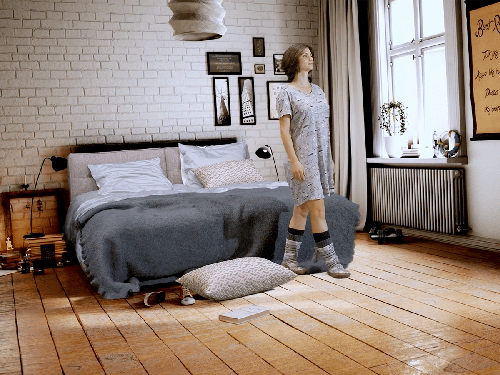
Create the impression of a larger environment with XR set extensions that continue beyond the physical LED wall. With the appropriate licence, VP Pro supports wider framing and camera movement between the live set and its virtual surroundings. Pro, XR and XR Multi-cam licensing options address chromakey, LED and multi-camera LED workflows respectively, helping studios choose a configuration suited to their production requirements.
Greater Control Over Virtual and Physical Alignment
VP Pro’s development has introduced static geometry correction, dynamic perspective correction and dynamic colour correction to refine the relationship between live footage and virtual imagery. These tools provide additional control over how set extensions and XR elements appear as camera positions change.
Support for third-party tracking through FreeD, including lens distortion, broadens integration possibilities. For appropriately licensed XR workflows, delay compensation addresses latency through the LED chain, supporting faster camera movements. These capabilities help studios build a virtual production workflow around their tracking configuration and creative requirements.
Bring Augmented Reality Into the Action
VP Pro also provides tools for broadcast AR graphics, enabling virtual elements to be positioned within real locations such as buildings, spectator stands, racetracks and sports pitches. Keying functions allow players and vehicles to appear in front of those graphics, helping digital content feel integrated into the event.
This creates opportunities for more engaging sports coverage and live presentations, where graphics can occupy the scene instead of appearing only as screen overlays. The AR workflow tools introduced with VP Pro 5.6 expanded these possibilities alongside monitoring, control and integration improvements.